
Why This Guide Matters
Renting a car is one of the smartest decisions you can make when visiting Mauritius. Unlike relying on buses, taxis or organised tours, having your own vehicle gives you complete freedom to discover the island on your own schedule.
You can watch the sunrise in Belle Mare, enjoy lunch in Chamarel, explore Le Morne in the afternoon and return to Grand Baie in the evening—all without waiting for public transport or paying multiple taxi fares.
However, once you collect your rental car, a new set of practical questions quickly arises.
- Which fuel should I use?
- Are petrol stations easy to find?
- Is parking free?
- What do Mauritian road signs mean?
- How do roundabouts work?
- Are there speed cameras?
- What happens if the police stop me?
- How much are traffic fines?
- What should I do if I get lost?
- Is driving at night safe?
These are questions almost every visitor asks, yet most travel websites only provide short and incomplete answers.
This guide has been created to become one of the most comprehensive resources available for anyone driving a rental car in Mauritius. Whether this is your first visit or your fifth, you'll find practical advice gathered from local driving experience rather than generic travel information.
If you haven't yet booked your vehicle, our Guide to Renting a Car in Mauritius explains everything you should know before making a reservation, from choosing the right vehicle to understanding insurance options. If you've already collected your car, you're exactly where you need to be.
What You'll Learn
By the end of this guide you'll understand:
- How petrol stations operate in Mauritius
- Which fuel your rental car requires
- Where and how to park
- Local road signs and markings
- Speed limits across the island
- Common traffic rules
- Police checkpoints
- Driving during heavy rain
- Cyclone season precautions
- Mobile navigation tips
- Local driving etiquette
- Emergency contacts
- EasyCab's printable Emergency Card
Think of this guide as your driving companion throughout your holiday.
Why Driving Is the Best Way to Explore Mauritius
Mauritius may appear small on a map, but the island offers an incredible variety of landscapes.
Within a single day you can travel from white sandy beaches to volcanic mountains, waterfalls, tea plantations, fishing villages and lively towns.
Many of these attractions are difficult—or even impossible—to visit comfortably using public transport. For travellers comparing transport costs before the trip, our Mauritius on a Budget guide explains how self-drive travel can fit into a wider holiday budget.
A rental car allows you to:
- explore at your own pace
- stop whenever you discover an interesting viewpoint
- avoid expensive taxi fares
- reach quieter beaches
- enjoy scenic coastal drives
- visit attractions before tour buses arrive
- change your itinerary whenever you wish
For families travelling with children, couples on honeymoon and photographers chasing sunrise and sunset, having your own vehicle quickly becomes one of the most valuable parts of the holiday.
Before You Start Driving
Before leaving the rental company's premises, take five minutes to complete a few simple checks.
Doing this can prevent unnecessary stress later in your trip.
Inspect the Vehicle
Walk around the car carefully.
Look for:
- scratches
- dents
- cracked lights
- chipped windscreen
- damaged wheel trims
- tyre condition
If you notice anything that wasn't recorded during collection, inform the rental company immediately.
At EasyCab Mauritius, we always recommend taking a short video of the vehicle before departure. It takes less than one minute and provides extra peace of mind throughout your rental.
Understand Your Fuel Type
One of the most common mistakes made by travellers is filling the vehicle with the wrong fuel.
Before leaving:
- confirm whether the vehicle uses petrol or diesel
- ask where the fuel flap release is located
- understand the company's fuel policy
- check the fuel gauge
We'll explain Mauritius fuel stations in detail in the next section.
Adjust Your Driving Position
Even experienced drivers need a few minutes to adapt.
Take time to:
- adjust mirrors
- adjust your seat
- connect your phone safely
- set your GPS before moving
- familiarise yourself with dashboard controls
Never attempt to configure navigation while driving.
Save Important Contacts
Before leaving the rental office, save:
- rental company number
- accommodation
- airport transfer provider
- travel insurance
- emergency contacts
Having these available offline can save valuable time if mobile reception becomes weak in remote areas. Visitors who do not want to drive immediately after a late flight can also arrange a private Mauritius airport transfer and request hotel delivery of their rental car later.
Download Offline Maps
Although Mauritius has good mobile coverage across most of the island, downloading offline maps before your journey is always recommended.
Applications such as Google Maps allow entire regions to be saved to your device.
This is especially useful if:
- your mobile signal drops temporarily
- your roaming data stops working
- you enter mountainous regions
- you travel during heavy rain
Offline maps can still provide turn-by-turn navigation even without internet access.
Driving in Mauritius Is Easier Than Many Visitors Expect
Many first-time visitors worry about driving on the left-hand side of the road.
In reality, most travellers become comfortable within the first hour.
Mauritian drivers are generally patient, roads are well signposted and major tourist destinations are connected by good-quality roads.
The most challenging part is often navigating the first few kilometres after leaving SSR International Airport. Travellers collecting a vehicle immediately after landing can prepare in advance with our Mauritius Airport Car Rental guide, which explains pickup planning, luggage considerations and the first drive from the airport.
Once you've settled into the rhythm of local traffic, driving becomes surprisingly relaxed compared with many larger cities around the world.
The key is not to rush.
Allow yourself extra time, drive defensively and enjoy the journey. Mauritius is one of those rare destinations where the drive itself often becomes part of the holiday experience.
Fuel and refuelling
Fuel & Petrol Stations in Mauritius
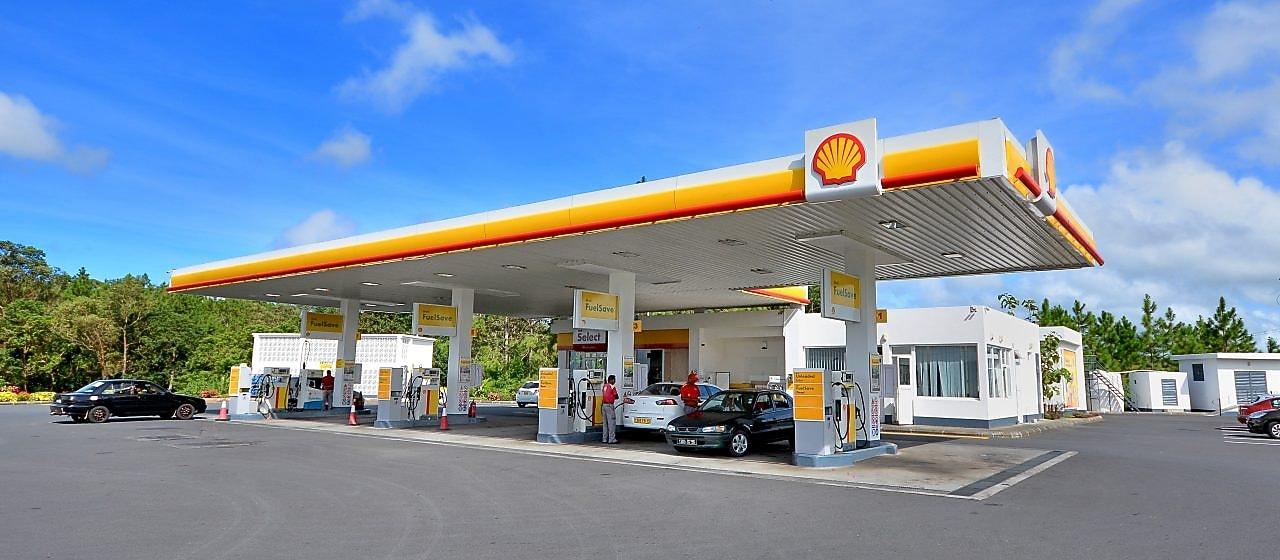
One of the first questions travellers ask after collecting their rental car is surprisingly simple:
"Where do I fill up the tank?"
Fortunately, refuelling in Mauritius is straightforward. Fuel stations are widely available across the island, payment is easy, and you rarely need to drive far before finding one. Whether you're exploring Grand Baie in the north, Le Morne in the south-west, Belle Mare on the east coast or the bustling streets of Port Louis, you'll almost always find a petrol station nearby.
Unlike some countries where self-service pumps are common, most petrol stations in Mauritius are attended, meaning an employee will usually fill the vehicle for you. This makes the process particularly convenient for visitors unfamiliar with local fuel types or driving on the island.
Understanding how fuel stations operate before your first refill helps you avoid mistakes and keeps your road trip running smoothly.
Finding Petrol Stations Across Mauritius
Petrol stations are well distributed throughout Mauritius.
You will find them in:
- Grand Baie
- Trou aux Biches
- Pereybere
- Port Louis
- Ebène
- Curepipe
- Quatre Bornes
- Rose Hill
- Vacoas
- Flic en Flac
- Tamarin
- Black River
- Mahébourg
- Bel Ombre
- Belle Mare
- Flacq
- Goodlands
Even when travelling through smaller villages, you are rarely more than a short drive from a fuel station.
If you're planning a full-day road trip around the island, it's still good practice to refill before heading into mountainous areas such as Chamarel, Black River Gorges National Park or remote coastal roads. While fuel is available across Mauritius, stations become less frequent away from major towns.
Major Fuel Companies in Mauritius
Several trusted fuel companies operate throughout Mauritius.
The most common brands you'll encounter include:
- Shell
- TotalEnergies
- Engen
- IndianOil
- Vivo Energy
These companies maintain modern service stations offering high-quality fuel that meets international standards.
Whichever brand you choose, fuel quality is generally consistent across the island, so there's no need to search for one company over another simply for performance reasons.
Instead, choose the station that's most convenient along your route.
Petrol or Diesel?
Before leaving your rental company, always confirm which fuel your vehicle requires.
Using the wrong fuel can result in significant engine damage and costly repairs.
Rental vehicles in Mauritius typically use either:
Unleaded Petrol
Suitable for most compact cars and economy vehicles.
Diesel
Common in SUVs, vans and larger family vehicles.
Never rely solely on the fuel cap colour, as vehicle manufacturers use different designs. If you're unsure, check:
- the rental agreement
- the label inside the fuel flap
- the dashboard reminder
- or simply ask your rental company before driving away.
At EasyCab Mauritius, every vehicle is clearly labelled to help customers identify the correct fuel type before refuelling.
How Refuelling Works
For many visitors, the biggest surprise is that attendants usually do the work for you.
A typical visit looks like this:
- Drive alongside an available pump.
- Tell the attendant which fuel you require.
- Specify either the amount or ask for a full tank.
- Remain in the vehicle while the attendant fills it.
- Pay at the pump or inside the kiosk, depending on the station.
The process normally takes only a few minutes.
If you've rented a self-drive car in Mauritius, this simple service makes refuelling quicker and more convenient than in many countries where drivers must operate the pumps themselves.
Payment Methods
Most petrol stations accept several payment options.
These include:
- Cash (Mauritian Rupees)
- Visa
- Mastercard
- Contactless payment where available
- Mobile payment at selected stations
Although card payments are widely accepted, carrying a small amount of cash is always advisable, particularly when travelling through quieter parts of the island.
International travellers should also notify their bank before travelling if they intend to use foreign-issued cards overseas.
Should You Fill the Tank Before Returning Your Rental Car?
This depends entirely on your rental agreement.
Many rental companies operate a full-to-full policy, meaning:
- you receive the vehicle with a full tank,
- and return it with a full tank.
Others may supply the vehicle with a partial tank and ask that it be returned at the same level.
Always check the fuel policy before your journey begins.
Returning the vehicle with less fuel than agreed may result in additional refuelling charges.
A useful tip is to identify the nearest petrol station to your return location the day before you return the vehicle. This helps avoid unnecessary stress if you're travelling to the airport or returning the car during busy traffic periods.
Fuel Prices in Mauritius
Fuel prices in Mauritius are regulated nationally.
Unlike some countries where prices change daily from one station to another, you'll usually pay the same price regardless of which major fuel company you visit.
This means you don't need to drive around comparing prices.
Instead, choose stations based on convenience and your travel route.
Current fuel prices are displayed prominently at each service station, making it easy to confirm the cost before refuelling.
Convenience Stores at Petrol Stations
Many petrol stations double as convenience stops.
Depending on the location, you'll often find:
- bottled water
- soft drinks
- snacks
- sandwiches
- coffee
- ice cream
- phone top-ups
- engine oil
- windscreen washer fluid
- basic automotive accessories
Some larger stations also provide clean restroom facilities, making them an ideal stop during longer drives around the island.
Fuel-Saving Tips for Exploring Mauritius
Although Mauritius is relatively compact, a few simple habits can help you reduce fuel consumption during your holiday.
- Combine nearby attractions into the same day trip.
- Avoid unnecessary idling while waiting outside hotels or attractions.
- Use navigation apps to avoid traffic congestion.
- Maintain steady speeds on motorways.
- Keep tyres properly inflated.
- Travel during off-peak hours whenever possible.
Besides saving fuel, these habits make driving more relaxed and enjoyable.
Common Refuelling Mistakes Tourists Make
Most visitors have no problems at all, but a few common mistakes are worth avoiding.
Waiting Until the Tank Is Almost Empty
Although fuel stations are plentiful, it's better to refill once the tank drops below a quarter rather than searching for fuel at the last minute.
Choosing the Wrong Fuel
Always double-check before the attendant begins refuelling.
Forgetting the Fuel Policy
Returning a rental car with less fuel than agreed can lead to avoidable charges.
Rushing Before an Airport Return
If you're returning your vehicle at SSR International Airport, allow extra time to refuel beforehand instead of relying on finding a station at the last minute.
If you're planning a full-day scenic drive covering Grand Baie → Port Louis → Chamarel → Le Morne → Flic en Flac → Grand Baie, start with a full tank in the morning. While fuel stations are available along the route, beginning the day fully fuelled means you can focus on enjoying the journey rather than interrupting it to look for a service station.
Parking without stress
Parking in Mauritius
For many visitors, parking is one of the biggest concerns when driving in a foreign country. Fortunately, parking in Mauritius is generally straightforward, affordable and widely available, especially compared to many European cities.
Whether you're visiting lively coastal towns such as Grand Baie, exploring the capital Port Louis or stopping at one of the island's famous beaches, you'll usually find suitable parking within a short walking distance.
That said, every destination has its own characteristics. Some areas become busy during weekends or public holidays, while city centres require a little more planning.
Knowing where to park—and where not to park—will help you avoid unnecessary fines and make your holiday much more enjoyable.
Is Parking Free in Mauritius?
The answer is:
Most of the time, yes.
Many popular tourist attractions provide free parking, including:
- Public beaches
- Scenic viewpoints
- Nature parks
- Religious sites
- Shopping centres
- Hotels and resorts
- Many restaurants
However, parking regulations vary depending on the location.
Busy commercial centres, particularly Port Louis, operate paid parking zones during business hours, while some private car parks charge hourly fees.
Always check nearby signs before leaving your vehicle.
Parking at Public Beaches
One of the best things about exploring Mauritius by car is the excellent access to beaches.
Most public beaches provide nearby parking, often just a short walk from the shoreline.
Popular beaches offering convenient parking include:
- Trou aux Biches
- Mont Choisy
- Pereybere
- La Cuvette
- Belle Mare
- Blue Bay
- Flic en Flac
- Le Morne
- Gris Gris
During weekdays, finding a space is usually easy.
On weekends and public holidays, however, beaches become popular with local families, so arriving early in the morning is highly recommended.
Parking in Grand Baie
Grand Baie is one of Mauritius' busiest tourist destinations.
Because of its popularity, parking can become limited during:
- December holidays
- School holidays
- Weekends
- Evenings
- Festival periods
Fortunately, several options are available.
Visitors can often park near:
- Grand Baie public beach
- Sunset Boulevard
- La Croisette Shopping Mall
- Super U Grand Baie
- Various restaurants and hotels
Shopping centres usually provide spacious parking areas, making them an excellent base if you plan to spend several hours exploring the town on foot.
During peak tourist season, arriving before 10:00 AM significantly increases your chances of finding convenient parking close to the beachfront.
Parking in Port Louis
Port Louis requires a little more planning than other parts of Mauritius.
As the island's business capital, weekday traffic is considerably heavier.
Parking options include:
- Public car parks
- Multi-storey parking facilities
- On-street paid parking
- Shopping centres
- Private parking operators
If you're visiting:
- Central Market
- Caudan Waterfront
- Government offices
- Museums
consider arriving before 9:00 AM whenever possible.
Parking spaces fill quickly during office hours.
Using one of the larger public car parks and walking the remaining distance is often the easiest solution.
Parking at Shopping Centres
Shopping centres offer some of the easiest parking on the island.
Major centres include:
- La Croisette
- Super U Grand Baie
- Bagatelle Mall
- Tribeca Mall
- Phoenix Mall
- Riche Terre Mall
Most provide:
- clearly marked spaces
- security patrols
- disabled parking
- family parking
- lighting at night
- convenient access to restaurants and supermarkets
If you're unsure where to leave your rental car while exploring a nearby town, shopping centres often provide the safest and most convenient option.
Hotel Parking
Almost every hotel, guesthouse and villa offers parking for guests.
Before arriving, it's worth confirming:
- whether parking is included
- if the car park is secure
- whether spaces need to be reserved
- if overnight parking is permitted
Accommodation providers are usually happy to answer these questions in advance. You can also browse EasyCab's holiday accommodation in Mauritius and check parking arrangements before submitting a stay request.
Parking Near Tourist Attractions
Most major attractions have dedicated parking facilities.
Examples include:
- Chamarel Seven Coloured Earth
- Black River Gorges National Park
- Sir Seewoosagur Ramgoolam Botanical Garden
- L'Aventure du Sucre
- Casela Nature Parks
- Curious Corner of Chamarel
- La Vallée des Couleurs
- Rochester Falls
Parking is generally well organised, although arriving early remains advisable during peak tourist periods.
Understanding Parking Signs
Mauritian parking signs are generally easy to interpret and follow international standards.
Pay attention to signs indicating:
- No Parking
- No Stopping
- Loading Zones
- Reserved Parking
- Disabled Parking
- Taxi Stands
- Bus Stops
If a restriction is displayed, always respect it.
Even if other vehicles appear to be parked incorrectly, avoid assuming it's permitted.
Disabled Parking
Dedicated parking bays are available throughout Mauritius.
These spaces are reserved for authorised permit holders.
Unless you're entitled to use them, always leave these spaces free for those who genuinely need them.
Can You Park Anywhere Along the Road?
No.
Although many roads appear quiet, avoid parking:
- on bends
- near junctions
- in front of driveways
- close to pedestrian crossings
- beside yellow lines
- in bus stops
- on narrow roads where traffic would be obstructed
If you're uncertain, it's usually better to find another location.
A short walk is preferable to receiving a parking fine—or causing an obstruction.
Parking at Night
Parking after dark is generally safe in most tourist areas.
However, a few simple precautions are always worthwhile.
- Lock the vehicle.
- Close all windows.
- Remove valuables from sight.
- Avoid leaving passports in the car.
- Park in well-lit areas whenever possible.
- Choose busy locations instead of isolated roadside spaces.
These are sensible precautions wherever you travel in the world.
Parking Fines
Parking regulations are actively enforced, particularly in busy towns.
Common reasons for fines include:
- parking in prohibited areas
- blocking traffic
- obstructing pedestrian crossings
- parking in disabled bays
- overstaying where time limits apply
If you're driving a rental car, any penalties may ultimately be passed to the rental company, which could then contact you regarding the fine according to the rental agreement.
The easiest way to avoid unnecessary costs is simply to follow local parking signs.
If you're planning to visit several attractions in one day, don't always aim to park directly outside each location. Parking just a few minutes' walk away is often easier, especially in popular places like Grand Baie and Port Louis. You'll spend less time searching for a space and more time enjoying your holiday.
Common Parking Mistakes Tourists Make
Even experienced drivers can make small mistakes when parking in an unfamiliar country. Here are a few to avoid:
Leaving valuables visible
A camera, handbag or laptop left on a seat can attract unwanted attention. Always store valuables out of sight or take them with you.
Forgetting where you parked
Large shopping centres and beach car parks can look surprisingly similar. A quick photo of your parking location or dropping a pin in Google Maps can save time later.
Parking too close to busy roads
If possible, choose a quieter space away from heavy traffic. It makes entering and exiting your parking spot much safer.
Ignoring local signs
Just because other vehicles are parked somewhere doesn't necessarily mean it's allowed. Always trust the official signage rather than copying other drivers.
Rules of the road
Road Signs, Speed Limits & Traffic Rules in Mauritius
Driving in Mauritius is generally relaxed, but understanding the local road rules will make your journey safer and more enjoyable.
If you've already read our Driving in Mauritius guide, you'll know that vehicles drive on the left-hand side of the road, following a system similar to the United Kingdom, Australia, New Zealand and South Africa.
This section builds upon that guide by explaining the practical rules you'll encounter every day while driving your rental car.
Fortunately, Mauritian road signs follow internationally recognised standards, making them easy for most visitors to understand.
Understanding Mauritian Road Signs
Road signs in Mauritius fall into four main categories.
Regulatory Signs
These signs tell drivers what they must or must not do.
Examples include:
- Stop
- Give Way
- No Entry
- No Parking
- No U-Turn
- One Way
- Maximum Speed
- No Overtaking
Ignoring these signs can result in penalties or unsafe driving situations.
Warning Signs
Usually displayed as triangular signs with a red border.
These warn drivers of hazards ahead.
Examples include:
- Sharp bends
- Steep hills
- School crossings
- Roundabouts
- Road narrows
- Slippery road
- Pedestrian crossings
- Speed humps
- Falling rocks
- Livestock crossing
When you see these signs, reduce your speed and stay alert.
Information Signs
These provide useful guidance rather than restrictions.
Examples include:
- Airport
- Hospital
- Fuel station
- Parking
- Tourist attraction
- Police station
- Hotel
- Bus station
These signs become especially helpful when exploring unfamiliar regions.
Direction Signs
Usually coloured green or blue depending on the road.
They indicate:
- towns
- villages
- motorway exits
- distances
- major attractions
Many also include international symbols, making them easy to understand even without reading English or French.
Road Markings
Road markings are just as important as signs.
Common markings include:
Solid White Line
Do not cross unless absolutely necessary.
Broken White Line
You may overtake if safe.
Double Solid Line
Overtaking is prohibited.
Yellow Lines
Usually indicate parking restrictions.
Zebra Crossings
Drivers must give priority to pedestrians.
Although pedestrians should ensure it is safe to cross, drivers are expected to approach zebra crossings with caution.
Speed Limits in Mauritius
Speed limits vary depending on where you're driving.
Always obey posted speed signs, as some roads have lower limits than the national guidelines.
Typical limits are:
| Road environment | Typical limit | Best practice |
|---|---|---|
| Residential areas | Around 40 km/h | Watch for children, pedestrians and parked vehicles. |
| Urban roads | Around 50 km/h | Follow the posted sign; limits can be lower near schools and junctions. |
| Rural roads | Usually 60–80 km/h | Reduce speed on narrow, winding or poorly lit sections. |
| Motorways | Up to 110 km/h | Maintain a safe following distance and observe local signage. |
Remember that road conditions, weather and traffic may require driving below the posted limit.
Are There Speed Cameras?
Yes.
Mauritius uses speed cameras in several locations, particularly on:
- Motorways
- Urban roads
- Busy junctions
- High-risk accident areas
Some cameras are fixed, while others may be mobile.
Do not rely on navigation apps alone.
The safest approach is simply to obey speed limits throughout your journey.
Roundabouts
Visitors often ask:
"Who has priority?"
In Mauritius:
- Approach slowly.
- Give way where required.
- Signal when exiting.
- Stay in the correct lane.
- Never stop inside the roundabout unless necessary.
Roundabouts are common throughout Mauritius and help keep traffic flowing efficiently.
Once you've driven through a few, they become second nature.
Overtaking
Only overtake when:
- road markings permit
- visibility is clear
- no vehicle is approaching
- sufficient space exists
Avoid overtaking:
- on bends
- near junctions
- approaching pedestrian crossings
- near schools
- where signs prohibit overtaking
Patience is often the safest option.
Seat Belt Laws
Seat belts are mandatory.
Both the driver and passengers should wear seat belts whenever they are available.
Besides being a legal requirement, they significantly reduce injury during an accident.
Child Seats
If travelling with young children, ensure the correct child restraint is used.
Depending on the child's:
- age
- weight
- height
an infant seat, child seat or booster seat may be appropriate.
Most reputable rental companies—including EasyCab Mauritius—can provide child seats as optional extras when booked in advance.
Installing the correct restraint before starting your journey is essential for both safety and legal compliance.
Mobile Phone Use
Using a handheld mobile phone while driving is prohibited.
If you need navigation:
- configure Google Maps before moving
- use a dashboard mount
- rely on voice guidance
- avoid typing while driving
If you need to make or answer a call, stop in a safe location first.
Drink Driving
Mauritius has strict laws regarding alcohol and driving.
Even small amounts of alcohol can impair reaction times.
The safest advice is simple:
If you're driving, don't drink.
Many hotels, restaurants and bars can arrange taxis if needed.
Emergency Vehicles
If you hear:
- police sirens
- ambulance sirens
- fire engines
move safely to the side of the road and allow them to pass.
Do not attempt to follow behind emergency vehicles through traffic.
School Zones
Schools are clearly signposted.
When approaching:
- reduce speed
- watch for children crossing
- expect traffic wardens
- be prepared to stop
Extra care is especially important during school opening and closing hours.
Police Checkpoints
Police checkpoints are completely normal in Mauritius.
They may occur:
- near towns
- during holiday periods
- at night
- after public events
- during road safety campaigns
Remain calm.
Officers may request:
- driving licence
- passport or identification
- rental agreement
- vehicle documents
These checks are routine and usually completed within a few minutes.
Being polite and cooperative helps ensure the process is quick and straightforward.
Common Traffic Fines
Traffic regulations are actively enforced.
Common offences include:
- speeding
- using a mobile phone while driving
- failing to wear a seat belt
- dangerous overtaking
- ignoring traffic signals
- illegal parking
- driving without the correct documents
Rather than worrying about the exact value of each fine—which may change over time—focus on following the rules. Safe driving is always less expensive than paying penalties.
Driving Etiquette in Mauritius
One thing visitors often notice is that Mauritian drivers are generally courteous.
A few unwritten rules include:
- Thank other drivers with a friendly wave when appropriate.
- Don't use your horn unnecessarily.
- Be patient in busy towns.
- Allow buses and larger vehicles extra room.
- Slow down when passing cyclists or pedestrians.
- Drive defensively rather than aggressively.
A calm driving style makes the experience far more enjoyable.
Many visitors focus entirely on the speed limit, but experienced local drivers pay just as much attention to road conditions. Heavy tropical rain can reduce visibility within minutes, while coastal roads may become slippery after a sudden shower. Even if you're below the posted limit, always adjust your speed to suit the conditions.
Common Mistakes Tourists Make
Before moving on, here are a few mistakes worth avoiding:
- Forgetting to drive on the left after leaving a quiet car park.
- Looking the wrong way before entering a roundabout.
- Using a phone at traffic lights.
- Following GPS blindly without checking road signs.
- Braking suddenly when seeing a speed camera.
- Driving too close to the vehicle ahead.
Driving smoothly and staying aware of your surroundings will help you avoid all of these.
Practical island driving
Real-World Driving Tips for Mauritius
Learning the traffic rules is only one part of driving confidently in Mauritius.
The other part comes from understanding the island itself.
Mauritius has modern motorways, scenic coastal roads, mountain passes, sugar cane fields, lively town centres and quiet fishing villages—all within a relatively short distance. As you travel around the island, road conditions, traffic patterns and weather can change surprisingly quickly.
This section shares practical advice that locals take for granted but first-time visitors often appreciate the most.
Driving During Heavy Rain
Mauritius enjoys a tropical climate, meaning sunshine can quickly give way to heavy rainfall, particularly between November and April.
A rain shower that lasts only 20 minutes can dramatically reduce visibility and make roads slippery.
If heavy rain begins while you're driving:
- Switch on your dipped headlights.
- Reduce your speed gradually.
- Increase the distance between your vehicle and the one ahead.
- Avoid sudden braking or sharp steering movements.
- Be extra cautious when approaching bends and roundabouts.
If visibility becomes extremely poor, pull over in a safe location and wait for conditions to improve.
Fortunately, tropical showers often pass as quickly as they arrive.
Driving During Cyclone Season
Cyclone season officially runs from November to April, although severe weather remains relatively uncommon.
If a cyclone warning is issued:
- Follow official advice from the Mauritius Meteorological Services.
- Avoid unnecessary travel.
- Never drive through flooded roads.
- Postpone long-distance journeys if conditions deteriorate.
- Ensure your mobile phone is fully charged before setting off.
Rental companies may also contact customers if weather conditions require special precautions.
If you're travelling with EasyCab Mauritius, we'll always do our best to keep customers informed about significant weather conditions that may affect road safety.
Never Drive Through Floodwater
One of the biggest mistakes drivers make anywhere in the world is underestimating floodwater.
Even shallow water can hide:
- potholes
- open drains
- damaged road surfaces
- strong currents
If water covers the road:
Turn around and find another route.
It only takes one flooded section to ruin a holiday—or seriously damage a vehicle.
Night Driving in Mauritius
Driving after sunset is generally safe, particularly on major roads.
However, there are a few differences compared with daytime driving.
You may encounter:
- reduced street lighting in rural areas
- pedestrians walking along roads
- cyclists without reflective clothing
- stray dogs
- occasional livestock in agricultural regions
Drive at a comfortable speed that allows you to stop safely within the distance you can clearly see.
Avoid staring at oncoming headlights and use high beams responsibly, dipping them whenever another vehicle approaches.
Mountain Roads
Mauritius' mountainous interior offers some of the island's most spectacular scenery.
Roads around:
- Chamarel
- Black River Gorges
- Plaine Champagne
- Trou aux Cerfs
- Alexandra Falls
include winding sections and steep gradients.
When driving in these areas:
- Stay in your lane.
- Reduce speed before entering bends.
- Avoid overtaking.
- Watch for cyclists.
- Expect changing weather conditions.
Take your time.
These routes are designed to be enjoyed, not rushed.
Coastal Roads
One of the highlights of renting a car in Mauritius is the opportunity to drive along the island's beautiful coastline.
Scenic coastal roads can be found near:
- Grand Baie
- Cap Malheureux
- Belle Mare
- Le Morne
- Tamarin
- Riambel
- Souillac
These routes offer frequent viewpoints and photo opportunities.
When stopping for photographs:
- use designated parking areas
- avoid stopping on blind bends
- never block traffic
A few extra minutes spent finding a safe place to stop is always worthwhile.
Sharing the Road
Mauritian roads are shared by many different users.
Besides cars, you may encounter:
- buses
- motorcycles
- cyclists
- pedestrians
- agricultural vehicles
- delivery vans
In rural villages, it's not unusual to see people walking along the roadside.
Always allow extra space and remain patient.
Navigation Apps
Modern navigation apps work extremely well throughout Mauritius.
The two most popular are:
Google Maps
Ideal for:
- tourist attractions
- hotels
- restaurants
- beaches
- everyday navigation
Waze
Excellent for:
- live traffic updates
- roadworks
- congestion
- estimated travel times
Many local drivers use Waze daily, making it particularly useful around Port Louis, Ebène and Curepipe during peak traffic periods.
Mobile Signal Across Mauritius
Mobile coverage is excellent across most of the island.
However, signal strength may briefly reduce in:
- Black River Gorges National Park
- mountainous forest roads
- remote valleys
This is another reason why downloading offline maps before your trip is a smart idea.
Fuel Planning for Day Trips
Although Mauritius isn't a large island, planning fuel stops still makes journeys more relaxing.
If you're heading out for a full day's sightseeing:
- Begin with a full tank.
- Refill when the gauge reaches around one-quarter.
- Don't wait until the fuel warning light appears.
This simple habit gives you flexibility to explore unexpected detours without worrying about finding the next petrol station.
Respect Local Communities
Many of Mauritius' most beautiful roads pass through villages where people live, work and attend school.
When driving through residential areas:
- slow down
- avoid unnecessary use of the horn
- respect pedestrian crossings
- watch for children
- drive courteously
Visitors who respect local communities help preserve Mauritius' welcoming reputation.
Wildlife on the Road
Large wild animals are not common in Mauritius, but drivers should remain alert for:
- stray dogs
- cats
- monkeys in certain forested regions
- birds
- livestock near agricultural areas
If an animal appears on the road:
- brake smoothly
- avoid sudden swerving
- allow the animal to move away before continuing
Scenic Drives Worth Experiencing
One of the greatest advantages of having your own rental car is the freedom to enjoy some of Mauritius' most scenic routes.
A few favourites include:
Grand Baie to Cap Malheureux
A relaxed coastal drive with beautiful ocean views and the famous red-roofed church.
Port Louis to Chamarel
A journey that gradually climbs into the mountains, passing forests, viewpoints and waterfalls.
Le Morne to Black River
A spectacular west coast drive with beaches, lagoons and mountain scenery.
Belle Mare Coastal Road
One of the island's most peaceful drives, especially during sunrise.
These journeys are often just as memorable as the destinations themselves.
Don't try to "see everything" in one day. Mauritius is best enjoyed at a relaxed pace. Plan two or three main attractions, allow time for spontaneous stops at viewpoints or local cafés, and enjoy the journey. Some of the island's best memories are made on the road between destinations rather than at the destinations themselves.
Driver's Quick Checklist Before Every Journey
Before setting off each morning, take a minute to check:
- Fuel level
- Tyre condition (visual check)
- Weather forecast
- Navigation route
- Mobile phone battery
- Drinking water
- Sunglasses
- Driving licence
- Accommodation address
A one-minute routine can prevent unnecessary delays later in the day.
Frequently Asked Questions
Is it easy to drive in Mauritius?
Most visitors find it easier than expected. Traffic drives on the left, major routes are generally well signposted and distances are manageable. Take the first journey slowly while you become familiar with the vehicle.
Are petrol stations easy to find?
Yes. Petrol stations are available across the island and are common in towns and coastal regions. Fill up before entering mountain areas or beginning a full-day island tour.
Is parking free in Mauritius?
Parking is free at many beaches, attractions, hotels and shopping centres. Paid or controlled parking is more common in busy commercial areas such as central Port Louis.
Are there toll roads in Mauritius?
No. Mauritius does not operate toll roads, so you can travel around the island without paying motorway or road-use tolls.
Can I use Google Maps or Waze?
Yes. Both work well in Mauritius. Google Maps is useful for destinations and general navigation, while Waze can be helpful for live congestion and road updates.
What documents should I carry?
Keep your valid driving licence, rental agreement and identification accessible. Your rental provider will explain any additional documents supplied with the vehicle.
Can I use a handheld phone while driving?
No. Configure navigation before moving, use a secure dashboard mount and stop safely before typing, changing routes or making a call.
What fuel should I put in my rental car?
Confirm the fuel type at collection and check the label inside the fuel flap. Never guess, because using the wrong fuel can cause serious mechanical damage.